

UC Dialogue Fellows Inaugural Cohort
The University of California Office of the President is proud to introduce the inaugural 2026–27 cohort of UC Dialogue Fellows, bringing together faculty and staff from six campuses to advance the teaching and practice of dialogue across differences. Through 18 innovative projects spanning disciplines from science and medicine to the arts, classics and communication, fellows will develop and expand curricular resources while building a systemwide community of practice dedicated to strengthening dialogue as a foundation for learning, civic engagement and democratic participation.
Ellen Beck
Project Title: Skills in Restorative Dialogue for Medical Students
Project Description
The proposed project adapts UC San Diego's Dialogue for Peace (DFP) program into a Restorative Dialogue model tailored to the School of Medicine (SOM), moving from a pilot implemented last year by Lane Stucki M.A.Ed, a Dialogue for Peace staff fellow and project co-lead, in collaboration with medical students, including our medical student liaison, second year Chioma Ugwonali into a faculty, student, and staff supported program spanning the four years of medical school.
The project includes:
- A four session Skills in Restorative Dialogue workshop for 1st year medical students co-facilitated by the project leads and 2nd-year medical students who will have been trained as co-facilitators
- Restorative Dialogue in Clinical Settings sessions for 3rd-year students
- Online gatherings for 4th-year students on restorative dialogue and their journey
- Opportunities for feedback and reflection
Session themes may include the patient and community as teacher, communication with patients and families in difficult moments, integrating the art of medicine into clinical situations students are encountering, listening, growing in self-awareness, and personal and professional renewal. With the participation of medical students, the project co-leads, and Dialogue for Peace advisors, a Restorative Dialogue model for medical students will be developed, evaluated, and disseminated.
We hope this project will build the case that dialogue and conflict-resolution training belong in health professional education and practice. Our goal is to offer strategies to translate these values and skills into day-to-day reality which we believe has the potential to benefit students, clinicians, and the patient experience.
Biography
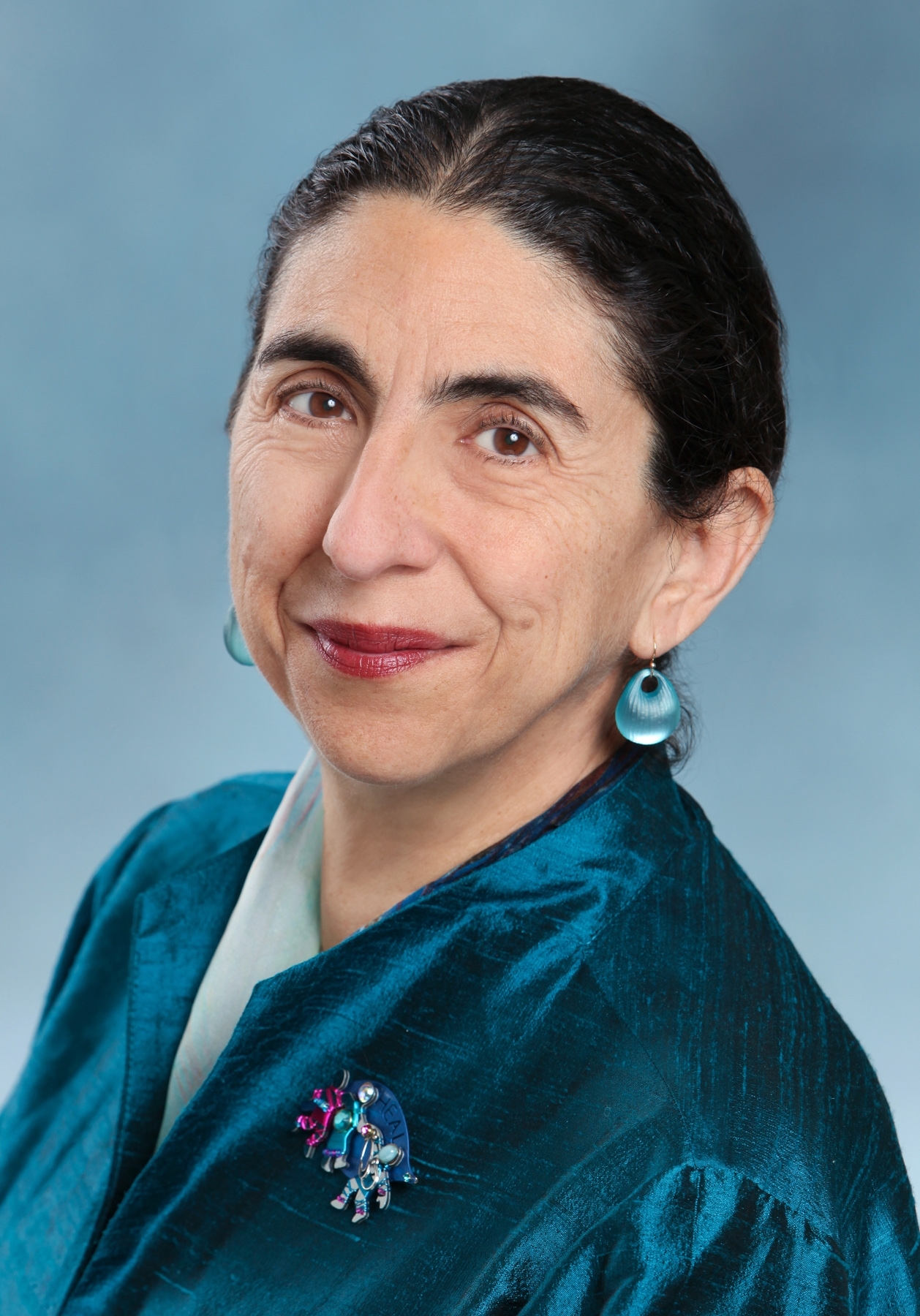 Ellen Beck, M.D., is a family physician and clinical professor emerita in Family Medicine and Public Health.
Dr. Beck was UC San Diego’s faculty director of Leadership and Faculty Development, and she co-founded the UC San Diego Student-Run Free Clinic, which provides free, high-quality health care, while inspiring the next generation of health professionals.
She has taught hundreds of fourth-year medical students to become healers and teachers and to grow in self-awareness, and she teaches undergraduates Access, Leadership and Renewal. Ellen founded a national faculty development program and fellowship in underserved healthcare and co-created Lemon Grove Academy, a transformative model in public education. She co-facilitates Compassionate Action Circles and is a Dialogue for Peace fellow, having recently joined their team.
Dr. Beck grew up in Montreal, training and becoming faculty at McGill University. She taught Art of Medicine and became a Human Dimensions in Medical Education facilitator.
Dr. Beck and her programs have been honored with the James Irvine California Leadership award, the Kennedy Center-Steven Sondheim Inspirational Teacher award, the McGill Global Community Service award, the Elizabeth Beckman Trust award, the LEAD San Diego Visionary award for Diversity and the Norman Cousins award for Medical Education, emphasizing relationship-centered care.
Brandon Golob
Project Title: Training the Teachers of Tomorrow: Dialogue Skills, AI Literacy, & the Future of Pedagogy
Project Description
This project expands and documents the “Transformative Teaching” seminar, a Ph.D.-level pedagogy course piloted in the Department of Criminology, Law and Society (CLS) at UC Irvine, with an emphasis on dialogue skills education in an era of rapidly evolving artificial intelligence. CLS provides a critical testing ground for this pedagogy work because graduate students regularly teach in classrooms that cover contentious topics in contemporary society, including hate crimes, free speech, gun control and incarceration. These subjects are not only academically complex but politically charged and emotionally sensitive, and the diversity of UC Irvine’s student body brings a wide range of lived experiences into the classroom.
The project operates on a train-the-trainer model with two core purposes: (1) developing CLS graduate students’ own dialogue competencies so they can facilitate difficult conversations more effectively as current teaching assistants and (2) building their capacity to teach those same skills to the undergraduates they instruct now and will teach as future faculty for decades to come.
The project has three interconnected components: (1) curriculum refinement to scaffold dialogue skills across all ten seminar weeks, (2) expansion of the seminar beyond CLS to serve Ph.D. students in other disciplines and the broader UC system and (3) integration of AI literacy as a core component of dialogue pedagogy, with a focus on harnessing AI tools to deepen rather than diminish students’ capacity for genuine communicative engagement. The project will produce shareable resources, including an annotated syllabus, a dialogue skills teaching guide and an AI and dialogue education module.
Biography
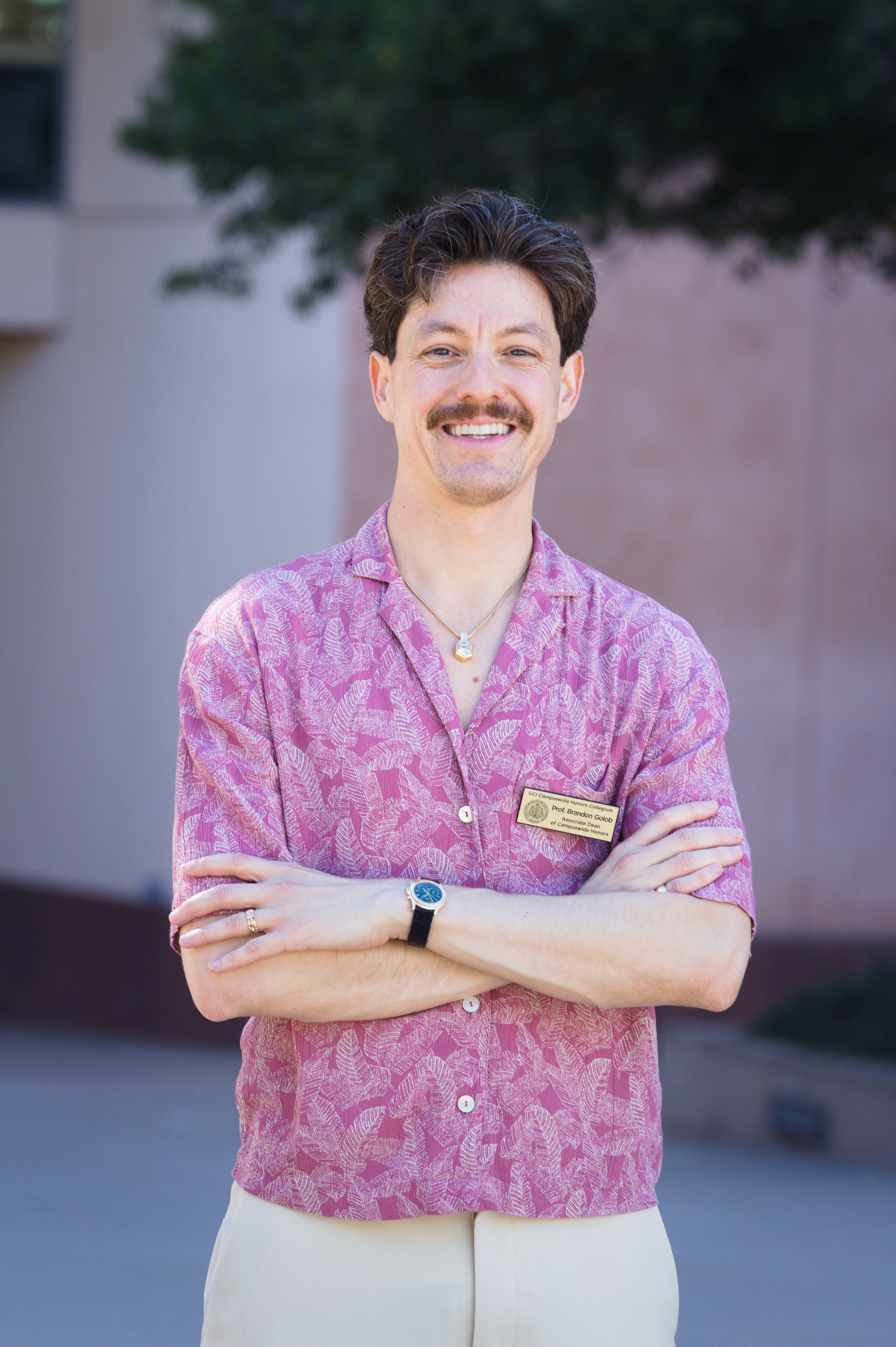 Brandon Golob is associate dean of the Campuswide Honors Collegium and an associate professor of Teaching in Criminology, Law and Society at UC Irvine. His teaching and research explore how legal knowledge is communicated to lay audiences through mediated and face-to-face interaction. He holds a dual B.A. in Rhetoric and Interdisciplinary Studies from UC Berkeley, a J.D. from UCLA School of Law and an M.A. and Ph.D. in Communication from the USC Annenberg School for Communication and Journalism. This multidisciplinary background spanning law, rhetoric and communication has shaped a career-long commitment to dialogue education.
His courses cover contentious topics in contemporary society (e.g., hate crimes, free speech, gun control, incarceration), which bolsters his belief that dialogue skills are essential for his students. His pedagogy has been recognized with twelve competitive awards, including the inaugural School of Social Ecology Faculty Award for Teaching, the 2026–27 UC Irvine Academic Senate Distinguished Faculty Award for Teaching, and four consecutive “Professor of the Year” honors voted by students. He was also named one of Orange County’s 125 Most Influential People in 2024 and received a certificate of recognition from the California State Senate for “outstanding efforts educating the next generation of California leaders.”
Angelica Guercio
Project Title: Scientific Dialogue as Authentic Practice: A Scalable Model for Large-Enrollment Courses
Project Description
In the classroom my students are becoming experts in science, but knowing the content is only part of what they will do as scientists. They will have conversations with peers, patients, families, communities and the public, including people who understand or experience science differently than they do. Yet, we rarely give students explicit opportunities to practice having those conversations.
This project will develop and pilot a scientific dialogue activity in a large-enrollment genetics course serving more than 400 students per quarter. Building from an existing science communication assignment, the project will move students beyond communicating to another person toward practicing true dialogue with another person.
Students will encounter another perspective, practice inquiring and listening and finally respond, adapt and reflect on the interaction. The goal is for students to learn how to engage with people who bring different perspectives and expertise to a conversation and to approach these conversations as opportunities to build something together.
The resulting activity and resources will be designed for adaptation across disciplines and UC campuses, helping make these opportunities possible even in large-enrollment courses, where they can be difficult to provide but especially meaningful early as students are developing their disciplinary identities.
Biography
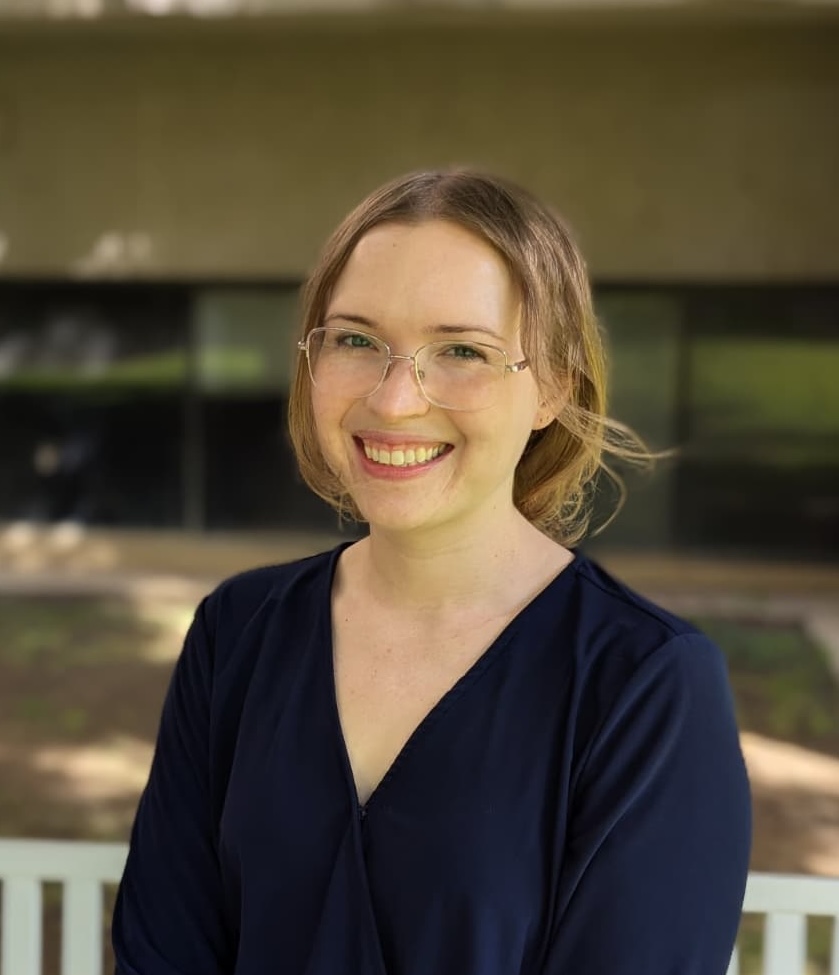
Angelica Guercio is an assistant professor of teaching in the Department of Molecular and Cellular Biology at UC Davis. She teaches undergraduate courses in genetics and biochemistry, ranging from large-enrollment lecture courses to upper-division laboratory experiences. A central focus of her teaching and scholarship is how we can provide students with opportunities not only to gain disciplinary knowledge, but to practice meaningfully participating in their disciplines, as a part of a broader program of “Belonging Through Practice” — helping students think, work and engage with others as developing professionals while building their sense that they belong in STEM.
Her work has included a particular focus on science communication as an authentic disciplinary practice, creating opportunities for students to practice using their developing scientific expertise to meaningfully engage with others. As a UC Dialogue Fellow, she is interested in extending this work beyond scientific communication to explore dialogue as another authentic practice of science, one that asks students not only to share their expertise, but to listen, inquire and remain open to what others bring to the conversation.
Martie G. Haselton
Project Title: Teaching Dialogue in Contested Science: A Roundtable Curriculum
Project Description
Sex: From Biology to a Gendered Society is one of UCLA's general education cluster courses, year-long, team-taught courses that introduce first-year students to a big question through several disciplinary lenses. Haselton was a founding member of the “sex cluster” course and has taught in the course for nearly 20 years — a time of great change in public and scientific understanding of sex and gender. In the course, students consider some of the most contested questions of our time: How different are the sexes, and why? Is sexual orientation a choice? Is sex binary, a “spectrum” or something else?
A signature practice in the course is the roundtable. Several times a quarter, the full faculty team and graduate teaching fellows sit as a panel at the front of the lecture hall while microphones move through the room, and students work through a current controversy by demonstrating that they understand opposing views, separating what the evidence shows from what they hope is true, and saying what evidence would change their minds.
This project turns the practice into a documented, transferable curriculum. To develop the curriculum, this year the course will include a short unit on four dialogue skills; a preroundtable assignment in which each student, including those who never take the microphone, writes the best case for a view opposing their own; facilitation training for the eleven graduate instructors who teach in the course each year; and anonymous surveys on whether students feel free to voice unpopular views. The result will be a set of materials, Teaching Dialogue in Contested Science, that instructors may use to address any topic for which the evidence is contested.
Biography
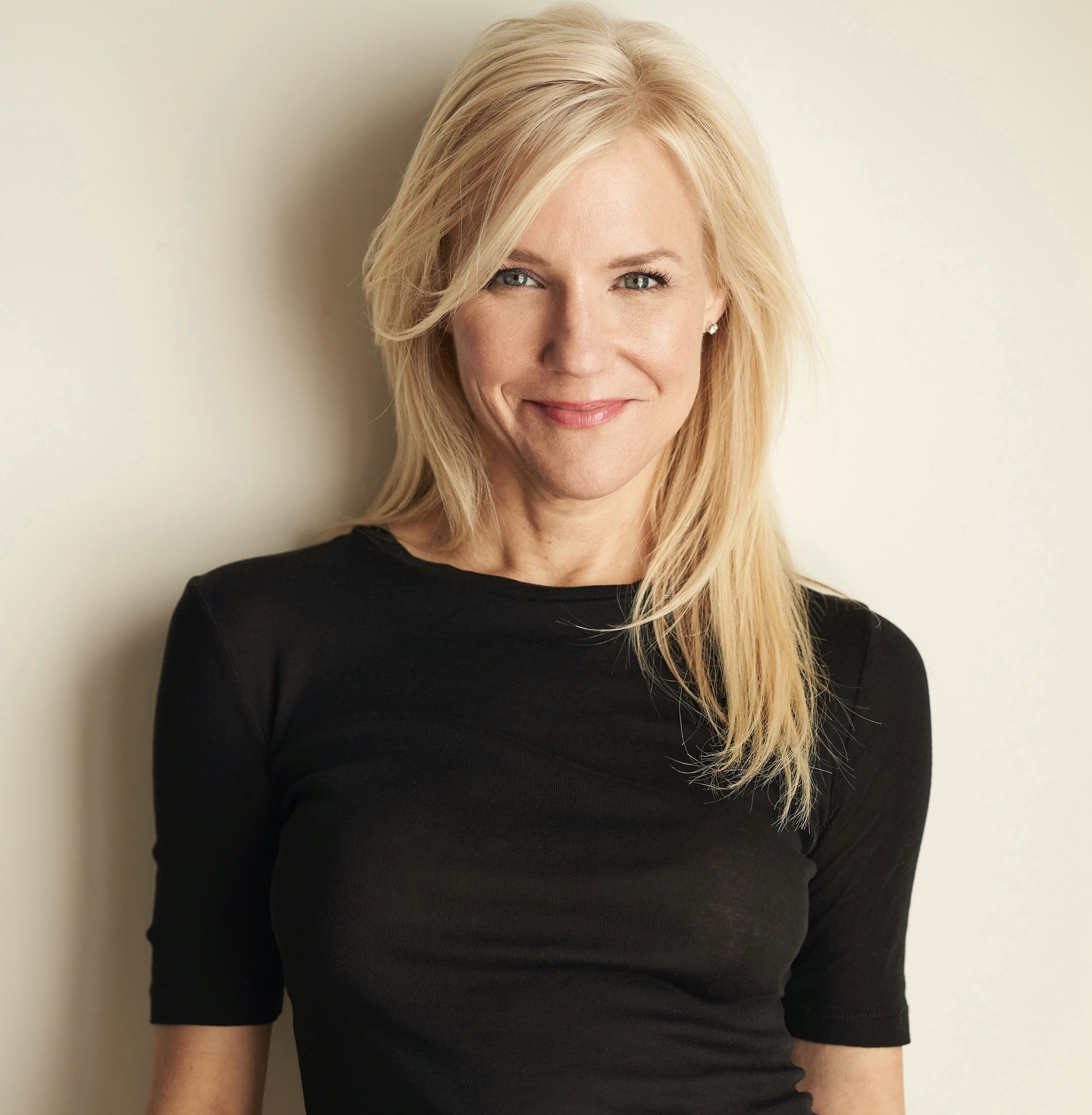
Martie G. Haselton is a professor in the Departments of Communication and Psychology and a member of the Institute for Society and Genetics at UCLA. She was 2025–26 chair of the UCLA Academic Senate Committee on Academic Freedom, served on the systemwide University Committee on Academic Freedom and serves as an elected council member of the University of California Initiative for Free Inquiry (UCIFI).
She is director of the interdisciplinary freshman cluster course Sex: From Biology to Gendered Society, bringing scientists and humanists together to discuss contested questions in science and society with first-year undergraduates.
Haselton is known for research on reproductive hormones, intimate relationships and cognitive bias and for cross-disciplinary leadership in defending open inquiry in science and higher education. She is a fellow of the Association for Psychological Science (APS) and the Human Behavior and Evolution Society (HBES).
Her 2018 book “Hormonal” has been translated into eight languages, and she has served as editor for Psychological Science and for Evolution and Human Behavior. She is a fellow of the Association for Psychological Science and of the Human Behavior and Evolution Society and has appeared regularly in The New York Times and the The Economist and on NPR and CNN.
Heather J. Hether
Project Title: The TICLE Toolkit: Developing Skills for Dialogue across Difference
Project Description
Productive dialogue requires a diverse set of competencies. This project integrates these competencies and their theoretical underpinnings into one cohesive framework: the TICLE model. This model is designed to help students apply these competencies in dialogue with people who hold different opinions, beliefs and values.
The model describes four stages of engaging in dialogue across difference: 1) topic identification, 2) communication, 3) listening and 4) examination. Together, these stages comprise the TICLE (pronounced “Ti-ckle”) model: a skills-based framework for dialogue. TICLE, a memorable acronym, reflects the idea that dialogue — as a “tickle” — can be a stimulus for change. In this case, a meaningful change may be a shift in knowledge or attitudes, including greater openness to diverse worldviews and perspectives.
Each stage is anchored in theory and includes recommended skills that can be developed with the support of the toolkit. Acquiring the skills associated with each stage is important for engaging in dialogue and realizing its potential for greater understanding and insight. The goal of the model is not to resolve difference, per se, but to support students in developing a skill set reflecting key competencies, including critical thinking, communication, listening and metacognition. Grounded in established theories, these competencies support thoughtful engagement in dialogue.
This project has two primary deliverables: the TICLE model and an instructor toolkit that supports teaching the model and its related skills. Together, these deliverables will support educators and students across disciplines in developing the essential skills needed to engage in dialogue across difference.
Biography
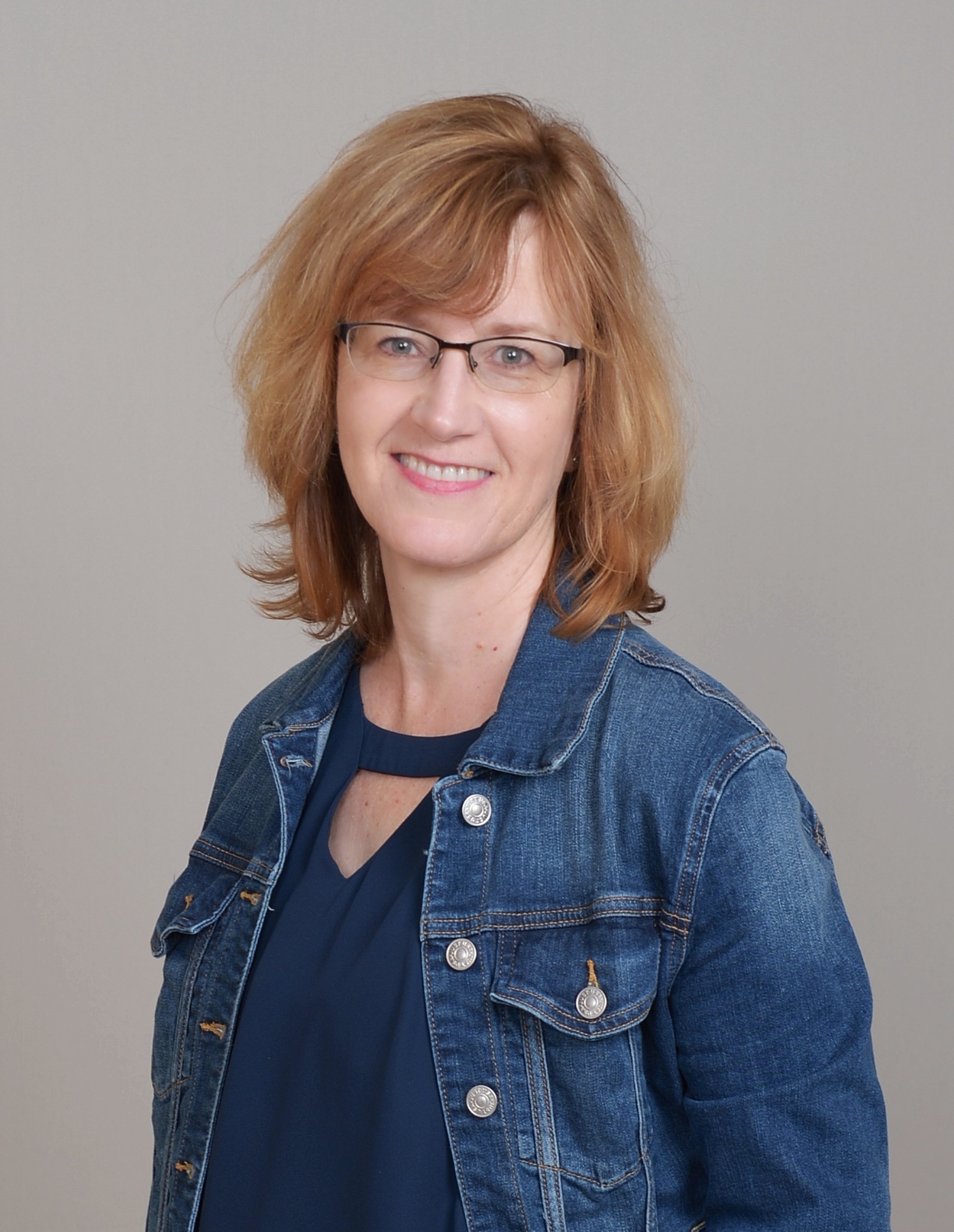
Heather J. Hether is an associate professor of Teaching in the Department of Communication at UC Davis. She teaches courses in interpersonal communication, group communication, public relations and communication campaigns. Drawing on more than a decade of professional experience in marketing and public relations, she brings real-world insight into the classroom to support student learning and professional success.
Dr. Hether’s research focuses on innovative pedagogy and strategic communication. Her pedagogical work examines collaboration and open pedagogy practices that engage students in their learning. Her strategic communication research examines public relations campaigns. She has recently begun exploring early public relations history, with an interest in developing a more inclusive account of the field and bringing that perspective into the classroom.
A guiding principle of Dr. Hether’s teaching is helping students translate communication theory into practical skills they can use in their lives. Her student-centered approach encourages discussion and collaborative problem solving, giving students opportunities to apply what they learn and practice the skills that support productive dialogue. Her training in team-based learning and collaborative discussion facilitation informs how she guides students through small-group and whole-class discussions. In 2026, she received the College of Letters and Science Award for Distinguished Teaching.
Andromache Karanika
Project Title: Contested Testimony: A Portable Method for Teaching Dialogue through Conflicting Sources
Project Description
This project develops and documents a transferable classroom methodology, the Contested Testimony framework. It teaches students to build arguments from incomplete or conflicting sources and to practice those arguments through structured, escalating dialogue. Most dialogue instruction assumes a live disagreement between people in the room. This framework instead locates disagreement in the sources themselves. With no stable consensus to summarize, students must listen, weigh evidence, find common ground and take a position while staying accountable to alternative readings.
The method will be first piloted in a new upper-division writing course, “Sparta in Literature” (CLA 160W), at UC Irvine in fall 2026. Sparta’s political history is known largely through fragmentary and often biased testimony from Xenophon, Aristotle, Plato and Plutarch, to name a few, and it remains a contested symbol in present-day political rhetoric. Students move through four stages: close reading, low-stakes spoken exchanges, written responses that fairly restate a peer’s view and a final argument that acknowledges its evidentiary limits and the opposing views. The course is the first vehicle, not the deliverable.
The goal of the project is to produce a discipline-agnostic module with stage-by-stage prompts, source-selection criteria, rubrics and a reflection on what worked. Instructors in history, political science, law, environmental policy and other fields can adapt it wherever the evidence resists a single authoritative narrative.
Biography
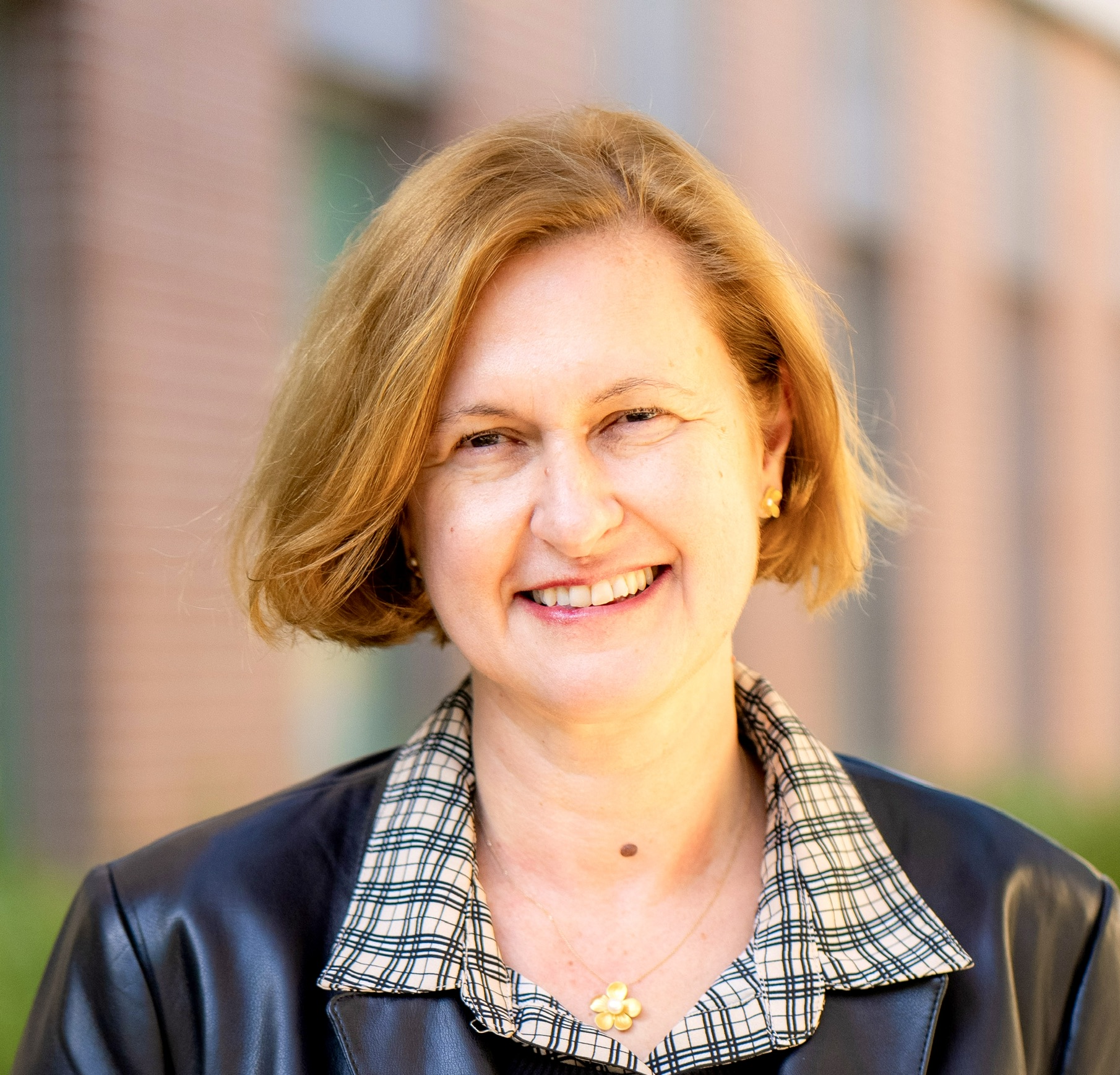
Andromache Karanika is a professor of Classics at the UC Irvine and served as department chair (2019–2025). Her research focuses on ancient Greek oral tradition and performance, with particular attention to women’s voices. She is especially interested in genres that often went unrecorded and in the traces these traditions left in Greek poetry from Homer onward.
She authored “Voices at Work: Women, Performance and Labor in Ancient Greece” (2014) and “Wedding, Gender and Performance in Ancient Greece” (2024) and is currently working on a book project, “From Heroines to Saints: Lists, Memory, and Mental Sanctuaries in Ancient Greek Thought.”
Karanika has published articles on Greek epic and lyric poetry, pastoral poetry, gender in antiquity and the late antique and Byzantine reception of Homer. She co-edited “Emotional Trauma in Greece and Rome: Representations and Reactions” (Routledge, 2020) and served as editor of TAPA (2018–2021), the flagship journal of the Society for Classical Studies. In 2023–24, she was president of the Classical Association of the Middle West and South. She has been a visiting professor at Fudan University in China (September 2019) and, most recently, a Lewis-Gibson Visiting Fellow at the University of Cambridge (fall 2025).
Rachel Ketai
Project Title: Dialogue Across Difference in the First-Year Writing Classroom
Project Description
This project will support the continued development, implementation and sharing of dialogue-centered teaching practices in UCLA’s first-year writing program. Its central objective is to sustain a faculty learning community of seven Writing I instructors as they implement approaches developed during Spring 2026, reflect on their effectiveness in practice, collaboratively revise them for future use and share them with other instructors.
Biography
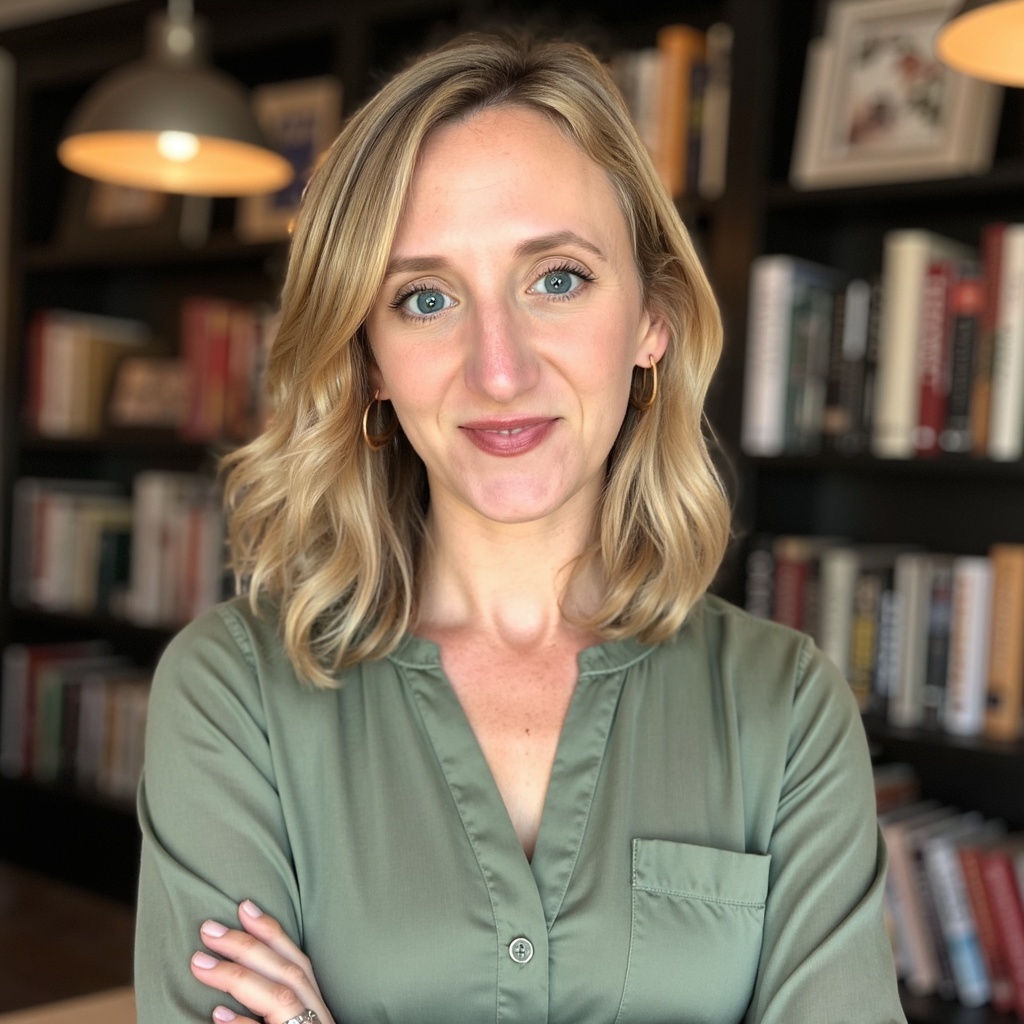
Rachel Ketai is a lecturer and coordinator of first-year writing for UCLA Writing Programs. She earned her Ph.D. in Rhetoric, Composition, and the Teaching of English at the University of Arizona, researching how college writing shapes equity and access to higher education.
Rachel teaches first-year composition and leads graduate seminars that prepare new instructors to teach writing. Her courses invite students to examine the evolving purposes and practices of reading and writing in the age of generative AI and to explore how writers build credibility and trust in academic and civic conversations. Grounded in virtues of ethical rhetoric, her teaching encourages students to make language choices that build trust across lines of difference and disagreement amid toxic polarization.
Rachel taught full-time for nearly a decade at El Camino College in the Puente and Honors Transfer Programs, helping students strengthen academic literacies while navigating the transition into higher education. She also trained in reading pedagogy and facilitated professional learning for California community college educators, supporting research-based teaching practices and developmental education reform.
Rachel has served as a faculty fellow for UCLA’s Dialogue Across Difference initiative and has received ongoing dialogue training through Resetting the Table’s cohort for higher education administrators.
Paula Levitt
Project Title: Dialogue in Practice: Building Intercultural Leadership Through Peer Mentorship
Project Description
The Global Ambassador Mentorship Program at UC Davis supports first-year and incoming transfer international undergraduate students as they transition to life at UC Davis. Before becoming mentors, current UC Davis students enroll in EDU 160A: Intercultural Leadership, where they develop skills in intercultural communication, cultural humility, engaged listening, questioning, reflection and navigating differences.
“Dialogue in Practice” builds on this existing foundation by making dialogue skills more explicit, experiential and transferable. The project will develop and pilot approximately 10–15 short, engaging dialogue activities that give Global Ambassador Mentors opportunities to practice skills such as deep listening, asking meaningful questions, perspective-taking, recognizing assumptions, exploring identity and lived experience, navigating discomfort and disagreement and building mutual understanding.
A central feature of the project is connecting learning to authentic relationships. Mentors will first practice dialogue skills with peers, reflect on their experiences and then apply these skills in their relationships with international student mentees. This creates an intentional cycle of Learn → Practice → Reflect → Apply → Reflect Again.
The project will result in a digital Dialogue Activities Repository with ready-to-use activities, facilitation guidance, reflection questions, learning objectives and adaptations for different settings. Designed as a modular resource, the activities can be incorporated into courses, mentoring programs, leadership programs, orientation, student organizations and other campus contexts.
By embedding dialogue practice within an existing intercultural leadership course and documenting what we learn through implementation, the project aims to create a practical, adaptable model for expanding dialogue skills education across UC Davis and potentially other UC campuses.
Biography
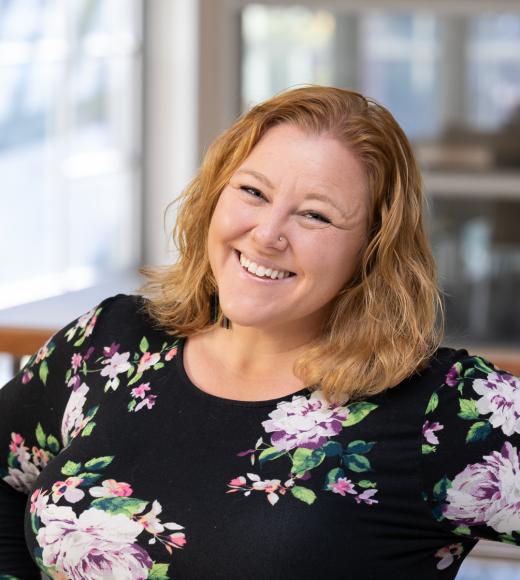
Paula Levitt serves as the director of Global and Intercultural Programs at the UC Davis Global Learning Hub within UC Davis Global Affairs and is the UC Dialogue Fellows Program project Llead for “Dialogue in Practice: Building Intercultural Leadership Through Peer Mentorship.” She is working on this project with Global and Intercultural Programs Manager Kimberly Bellows and Coordinator Kim Notehelfer.
Paula has worked in the Global Learning Hub since 2012 and has developed and supported a wide range of UC Davis global learning programs, including Summer Abroad Internships, USA Study programs, short-term seminars and departmental exchanges. She currently leads a team dedicated to advancing global engagement and intercultural understanding through programs focused on global internships and research, global leadership, global community engagement and intercultural learning.
Paula is passionate about helping students connect their global and intercultural experiences to their academic, personal and professional development. She launched the Global Career Development Series and was instrumental in the development and success of the annual UC Davis Global Learning Conference. Through her work, Paula and her team create accessible opportunities for students to connect across cultures, develop global competencies and build the skills and perspectives needed to thrive in an interconnected world.
Audrey Chen Lew
Project Title: "Scaling the Conversation: A Peer Facilitation Model for Intellectually Virtuous Dialogue"
Project Description
The project aims to cultivate intellectually virtuous dialogue skills in large-enrollment undergraduate courses by training peer facilitators. Building on UC Irvine's Anteater Virtues framework, the project centers on four intellectual character traits (curiosity, intellectual humility, intellectual tenacity and integrity) as the foundation for honest and productive dialogue. The preexisting campuswide framework guides students in wisely balancing excess and deficiency in each trait, building their cognitive agency to engage charitably with viewpoints that differ from their own.
Research shows that developing virtues like curiosity and intellectual humility improves dialogue across differences in small liberal arts settings. This project scales that approach to large-enrollment classrooms at a public R1 institution — a context traditionally excluded from dialogue pedagogy due to logistical complexity. By training peer facilitators such as learning assistants and teaching assistants, embedding structured protocols into existing class time and focusing on academic rather than politically charged controversies, the project creates a calmer environment for building genuine dialogue skills. The project will create a suite of online dialogue skill training modules to train peer facilitators and develop faculty guides on how to select appropriate discussion topics, to structure classes and recruit and to train peer facilitators. The approach will be piloted in an introductory neuroscience class, an introductory philosophy class and an upper-division biology class to test whether the facilitation scripts, discussion protocols and Canvas modules are adaptable to multiple disciplines, settings, peer mentors and modalities.
Biography
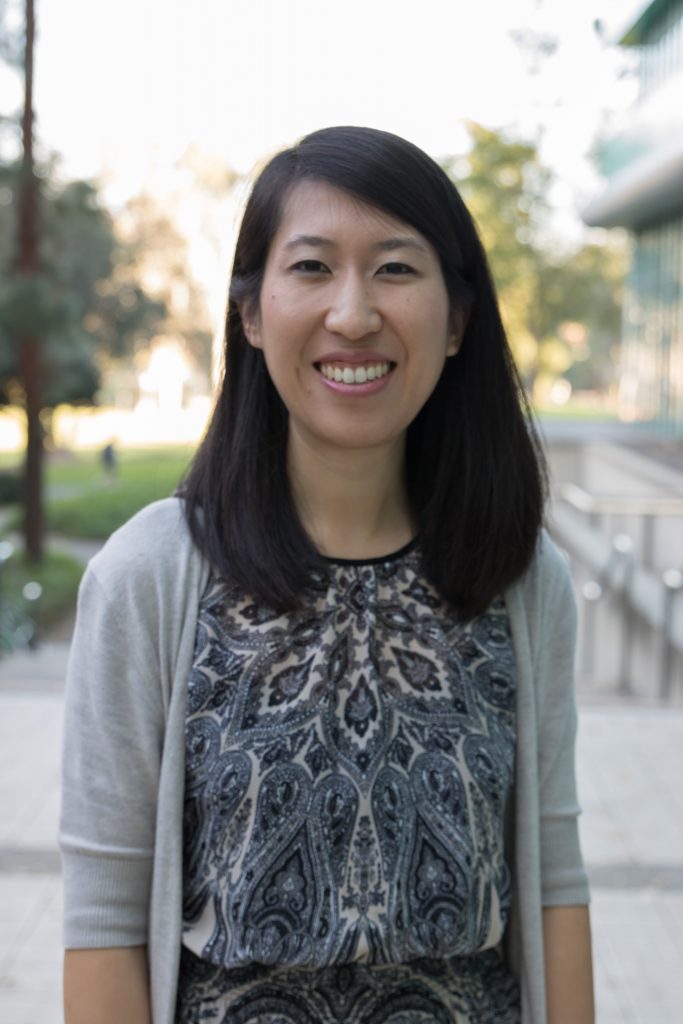
Professor Audrey Chen Lew is an associate professor of Teaching in the Department of Neurobiology and Behavior at UC Irvine with experience in dialogue pedagogy in teaching, service and faculty development. Professor Lew has trained thousands of students in introductory neuroscience, where dialogue is a central pedagogical aim, as well as in active listening and peer review as a form of asynchronous written dialogue in a Scientific Argumentation and Critical Thinking course.
As co-chair of the Neurobiology Major Advisory Board and a member of the Academic Senate Council on Educational Policy, Professor Lew is well-positioned to advance dialogue education at both the course and institutional level. Her experience training hundreds of learning and teaching assistants makes her exceptionally qualified to develop an Undergraduate Dialogue Fellows Training Guide for peer facilitator programs. As a course editor for CourseSource, she also has experience helping faculty produce adaptable, transferable instructional materials.
Her current research examines development of core concept teaching tools and strategies for instructors to provide effective feedback to students on their scientific writing. She is a proud two-time UC graduate, earning her B.A. in Molecular and Cell Biology from UC Berkeley and M.S. and Ph.D. in Neurobiology from UCLA.
Megan Macklin
Project Title: Reading to Understand, Listening to Hear: Developing an Undergraduate Seminar on Text-Based Dialogue
Project Description
With partners from UC Davis Inclusive Excellence, the School of Education and the College of Letters and Science — Davis Humanities Institute and California History-Social Sciences Project, this project will develop and launch an undergraduate seminar for future educators focused on text-based dialogue in the classroom, organized around the UC Davis Campus Community Book Project. Rooted in the university’s Principles of Community, the Book Project puts the values of dignity, respect and connection into practice by cultivating thoughtful engagement with diverse perspectives and with challenging ideas.
During this fellowship project, seminar students will learn about selecting, assigning and discussing texts in the classroom: from policies that govern course content and discussion of so-called controversial topics to strategies for book-based dialogue that reflect shared values and effective field practices.
The course will also provide an opportunity for students to connect and network with university and community resources by supplementing course meetings with activities that highlight scholarship, leadership and action at UC Davis and in surrounding communities. The seminar will then transition to a practicum where students lead book discussions on the Book Project selection in our local community, leveraging standing collaborations between project sponsors and partners like the Davis Joint Unified School District and City of Davis as well as UC Davis’s continuing education, alumni and retiree networks. Throughout, this project will document a toolkit for text-based dialogue in the classroom, co-developed with project participants.
Biography
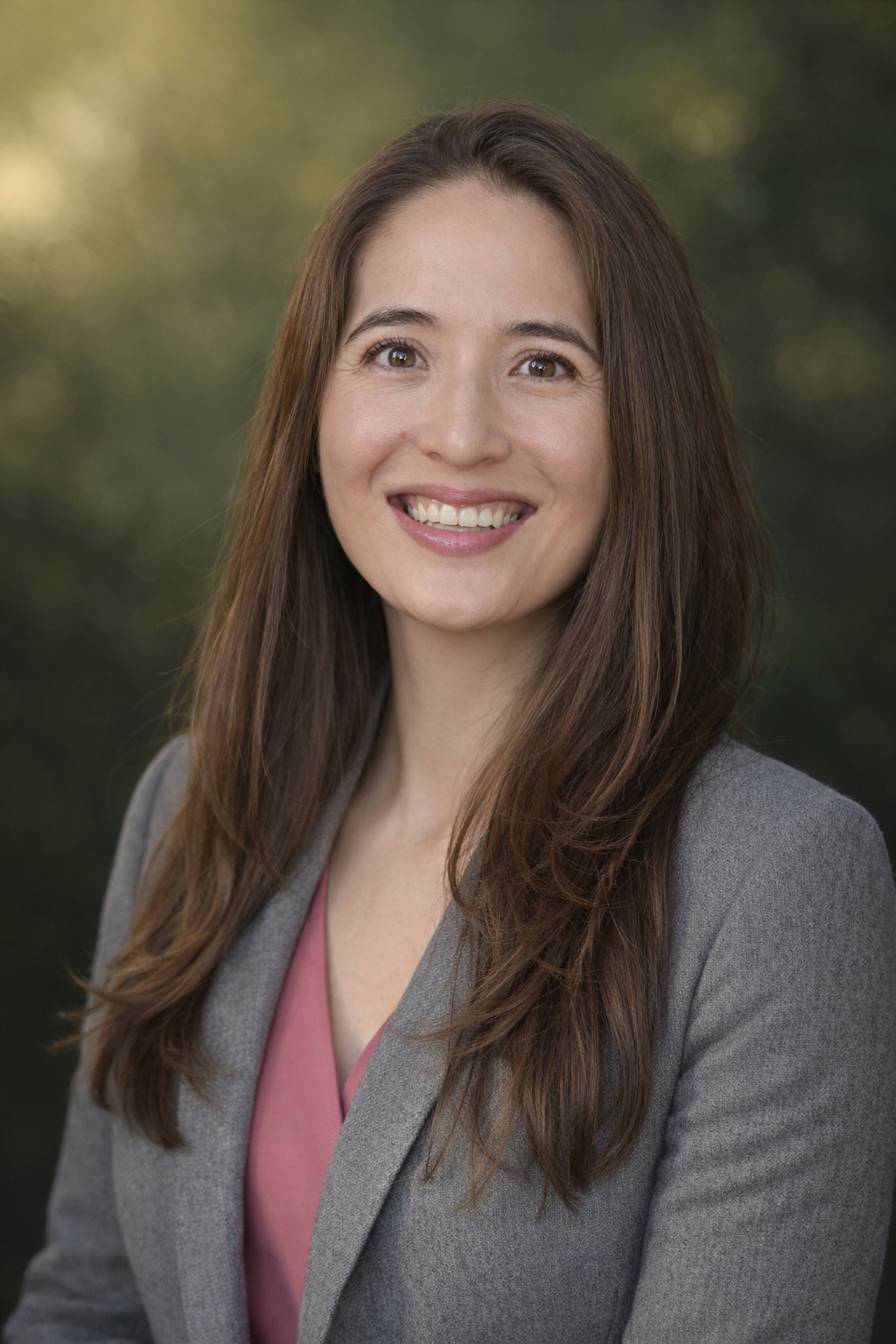
Megan Macklin is a staff member at UC Davis in the Office of Campus and Community Relations/Inclusive Excellence. Megan is a proud Aggie alum and first joined the UC Davis community over 20 years ago. Megan’s portfolio concentrates on university culture and community relations. Megan directs the Campus Community Book Project, co-leads strategy and implementation for the university’s Principles of Community, serves on the executive committee for the university-city-county Hate-Free Together initiative and is an administrator for the Police Accountability Board. She also serves on councils advising local law enforcement agencies and national civilian oversight- and criminal justice-focused nonprofits.
Teresa Neighbors
Project Title: The Dialogue Lab Initiative
Project Description
The Dialogue Lab is a new initiative in the UC Irvine School of Social Sciences that will launch during the 2026–27 academic year. The program is designed to help students engage with people whose perspectives, experiences and beliefs differ from their own. Central to its framework is the distinction between dialogue and debate. Rather than seeking persuasion or consensus, the program cultivates intellectual humility, critical inquiry and sustained engagement across ideological divides.
The program follows a three-quarter sequence. In fall, students learn and practice the foundations of civil discourse, including active listening, empathy, perspective-taking, critical thinking and constructive disagreement. In winter, students move into peer facilitator training, learning to design and lead dialogues, manage group dynamics and navigate conflict. In spring, trained facilitators lead dialogues with different campus audiences, receive coaching and feedback and begin preparing to mentor future cohorts.
Integrated evaluation during the inaugural year will examine student development and inform revisions to the curriculum. Lessons from the pilot will guide the creation of a Dialogue Teaching and Facilitation Toolkit — including classroom activities, facilitation resources and assessment tools — that instructors throughout the UC system can adapt. The goals are to establish a sustainable, student-led model that fosters constructive dialogue and that can grow through successive cohorts and create more opportunities for dialogue throughout the campus community.
Biography

Dr. Teresa Neighbors serves as the director of Purposeful Leadership and Engagement Initiatives in the School of Social Sciences at UC Irvine. Her work centers on equitable leadership, belonging and building connections across social and ideological divides. Through hands-on learning and mentorship, she equips students to navigate tough conversations, analyze systemic inequalities and drive meaningful community change.
As a UC Dialogue Fellow, Dr. Neighbors is launching the Dialogue Lab — a practical initiative designed to teach students how to listen deeply, handle disagreement and facilitate constructive campus conversations. She also directs several signature programs, including Shared Table Perspective, LeadHER and the Equitable Leadership Program, all focused on developing practical leadership skills and fostering diverse relationships.
Her research explores cross-difference communication, educational equity and how student experiences influence perceptions of campus climate. This academic focus directly shapes her programming, ensuring that it fosters genuine empathy and real-world collaboration.
Dr. Neighbors earned her doctorate in Education from UCLA and holds bachelor’s degrees in Criminology, Law and Society and Music from UC Irvine. She also mentors campus leaders through the Association of American Colleges and Universities’ Truth, Racial Healing & Transformation initiative.
Tracy Pascua Dea
Project Title: Small Bites, Big Impact: Modularizing Dialogue Skills for Scalable Curricular Integration
Project Description
While intensive, multihour workshops provide valuable engagement, time constraints often limit widespread faculty and instructor participation in dialogue training. This project — Small Bites, Big Impact: Modularizing Dialogue Skills for Scalable Curricular Integration — addresses this bottleneck by embedding bite-sized microlearning modules on Dialogue Skills directly into daily academic routines and classroom instruction.
Building upon two proven initiatives — From Critique to Dialogue: Navigating Differences (C2D) and the Blueprint Microlearning on Psychological Safety model — this project shifts dialogue education from one-off workshops into accessible, cumulative learning experiences. Each module follows a structured learning arc (Learn, Reflect, Practice, Apply) featuring short SPARK talks, scenario-based simulations, reflective prompts and adaptable classroom tools.
The project will design, pilot and evaluate three core modules focusing on (1) foundational dialogue principles, (2) active listening and core values and (3) managing tension and "spicy moments." Additional key deliverables include a digital Microlearning Shell, a Dialogue Facilitation Toolkit, pre-/postevaluation rubrics and an open-access administrative Adoption and Implementation Guide.
By equipping instructors across diverse disciplines with actionable communication habits and dialogue-related activities, this project enhances instructional self-efficacy, cultivates psychological safety and empowers learners to engage productively across differences.
Biography
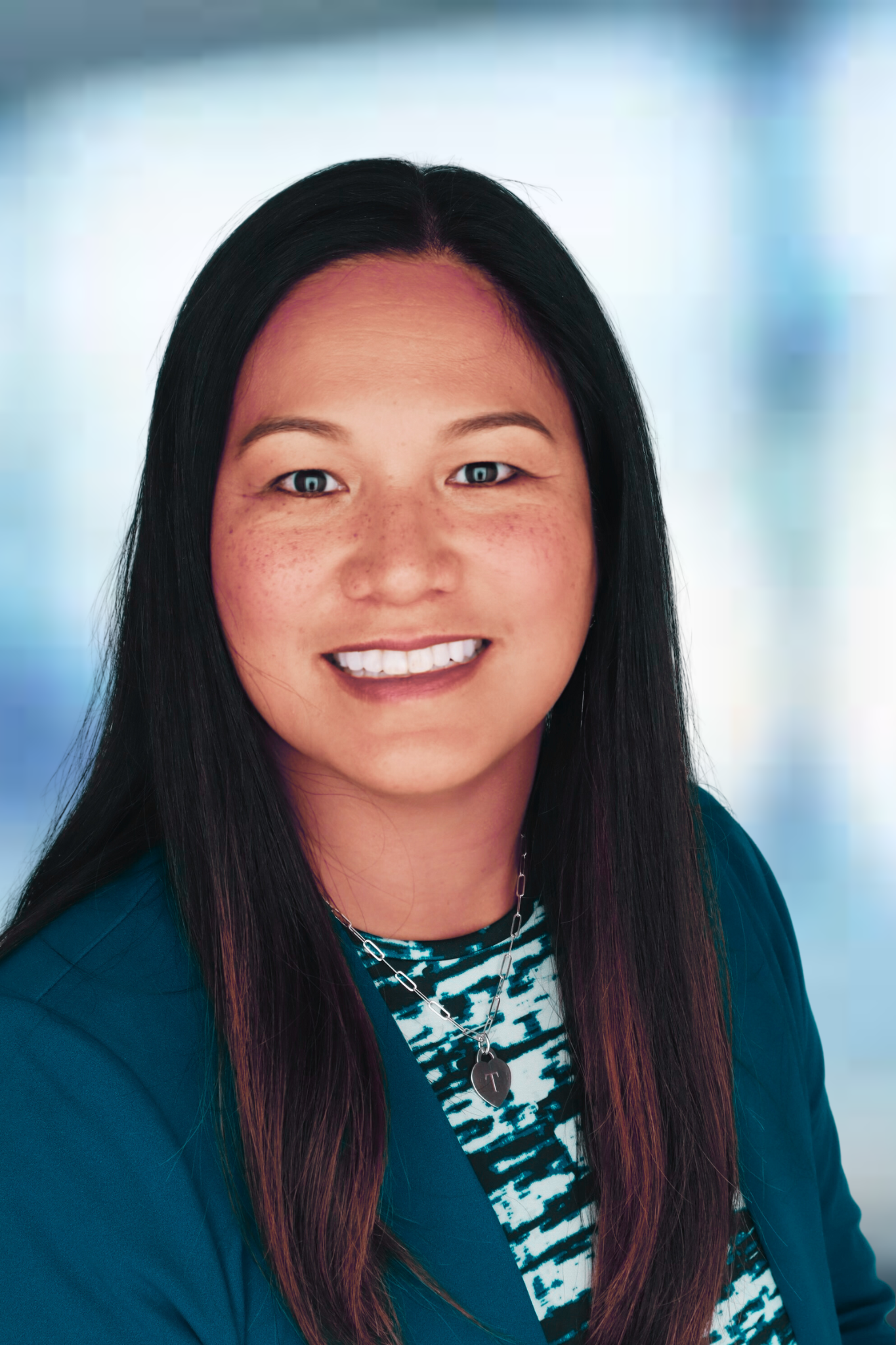
Dr. Tracy Pascua Dea is the Academic Climate program director at UC Berkeley and a trusted leadership advisor with over 20 years of experience in DEIB, organizational development and systems coaching. Formerly CDO and executive director of Student Services at Berkeley Journalism, her work focuses on fostering inclusive campus climates, supporting learner success and bridging human potential with systemic change.
Rooted in a strengths-based framework and the power of narrative for social change, Tracy specializes in helping leaders and institutions navigate complex climate challenges, engage across differences and build collaborative environments. Her research and practice emphasize the lived experiences of first-generation and historically marginalized populations; her passion for equity and social justice is deeply personal, fueled by her background as a first-generation college student and her family’s immigration journey from the Philippines. Throughout her career, she has secured $4.2 million in federal grants, led institutional change across diverse sectors and served in leadership roles within professional organizations.
Tracy holds a Ph.D. in Higher Education Administration and a B.A. in Psychology from Saint Louis University, along with an M.A. in Counseling Psychology from Boston College. She is an ICF Professional Certified Coach, an Organizational and Relationship Systems Coach and a Gallup-Certified Strengths Coach.
Joann S. Roberts
Project Title: InDialogue: Cultivating a Dialogic STEM Classroom
Project Description
In an increasingly diverse and polarized learning environment, STEM instructors need tools to
help students engage productively across differences in perspective, lived experience, cultural
background and disciplinary understanding. InDialogue is a faculty fellowship designed to build
STEM instructors’ capacity to integrate meaningful, inclusive dialogue into their teaching while
strengthening student learning and scientific inquiry.
Through a cohort-based professional development experience, STEM faculty will develop skills
in dialogue facilitation, navigating challenging conversations and dialogic pedagogy design.
Faculty will participate in dialogue and facilitation skill training, peer feedback and iterative
lesson design, individualized pedagogical support, classroom implementation and reflection
informed by student feedback and classroom observation protocols. They will also revise
relevant syllabus language to prepare students for dialogue as an intentional component of their learning experience.
The project will produce two transferable resources: an open-access collection of discipline-specific STEM dialogic lesson plans and a replicable faculty development model for teaching
and learning centers. Ultimately, the project seeks to demonstrate how purposeful dialogue can
become an integral component of STEM education — deepening learning, strengthening
engagement across difference and expanding faculty capacity to create inclusive learning
environments.
Biography
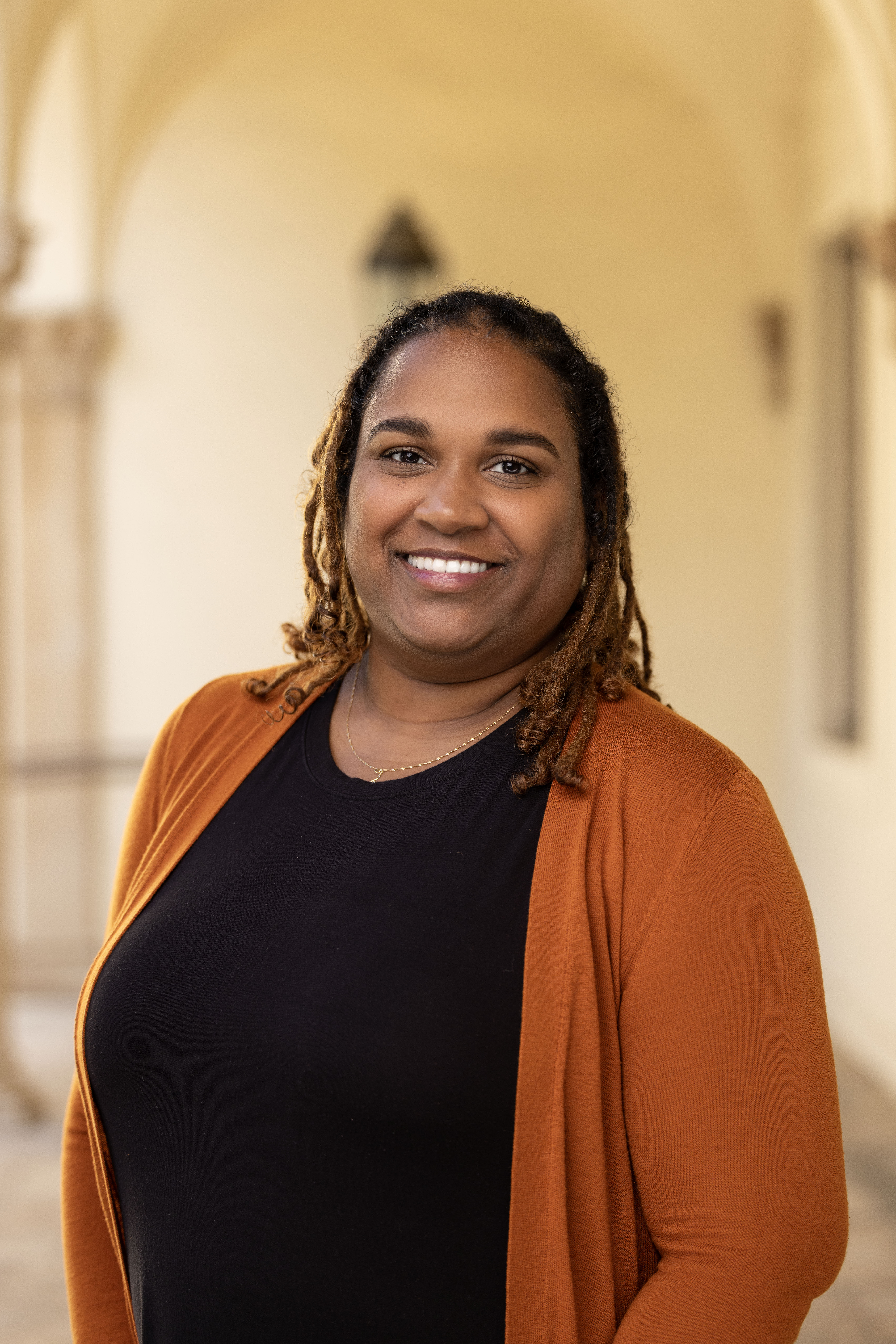
Dr. JoAnn S. Roberts (she/her) is the senior associate director of Professional Development for
Equitable Teaching and Cultural Change at the UCLA Center for Education Innovation and
Learning in the Sciences (CEILS). With a disciplinary background in Molecular and Cellular
Biology and Pathobiology, she brings together her identities as a scientist, education researcher,
educator, mentor, facilitator and artist to strengthen teaching, mentoring and academic
relationships in higher education. At CEILS, Dr. Roberts leads the development, facilitation and
evaluation of faculty professional development initiatives in STEM focused on evidence-based
pedagogy, self-regulated learning, mentoring and dialogue.
She is a certified facilitator of the CIMER evidence-based mentoring curriculum and leads Mentor & Mentee Conversations, an initiative that supports research mentors and mentees in engaging in dialogue around challenging mentoring topics and co-constructing actionable strategies to strengthen their relationships. She also developed and leads a faculty fellowship focused on integrating dialogue frameworks into STEM classrooms. Across her work, Dr. Roberts is guided by a personal mission to cultivate learning environments that foster deep love, respect and connection across the beautiful diversity of our humanity.
Amir Saeidi
Project Title: Engineering Dialogue Under Disagreement
Project Description
This project gives engineering students a real-world failure case to investigate in teams. After learning how to communicate constructively during technical disagreement, teams will examine technical evidence and physical specimens, research possible failure mechanisms and develop competing explanations for why the failure occurred.
The teams will then participate in a structured technical hearing, presenting and defending their analyses before the instructor and, where possible, invited experts. The goal is not simply to win an argument. Students must accurately explain the opposing team’s position, respond to counterevidence, identify uncertainties in their own analysis and state what additional evidence or testing could change their conclusion. The project assesses both students’ technical reasoning and their ability to engage professionally and productively with disagreement.
Biography
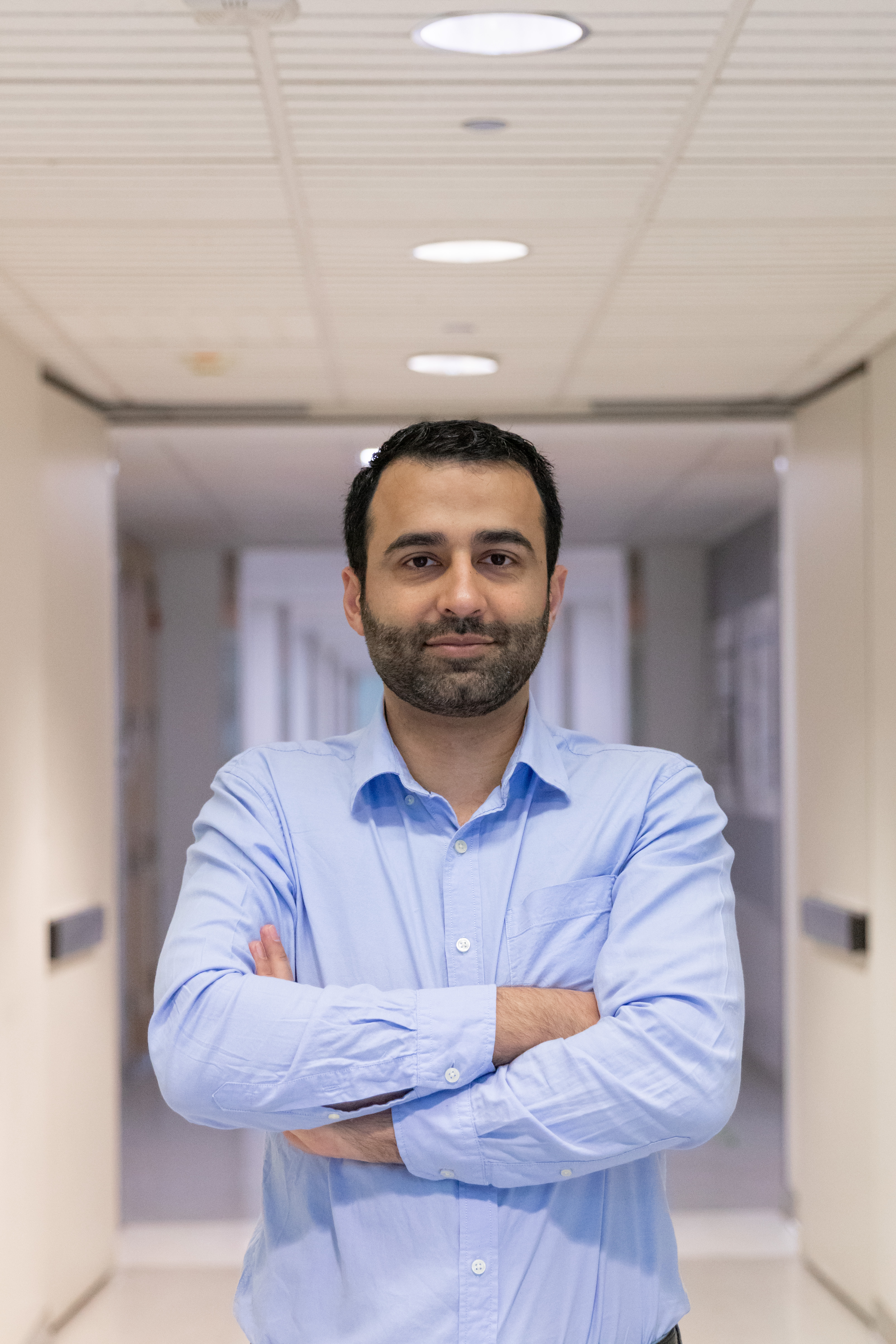
Amir Saeidi studied Materials Science and Engineering at Shiraz University in Iran. He earned his master’s degree from Ulm University in Germany and his Ph.D. from UC Irvine. He is currently an assistant professor of Teaching in the Department of Materials Science and Engineering at UC Davis, where he teaches the senior capstone design course.
Amir’s teaching extends beyond technical knowledge to prepare students for professional practice. In particular, he helps students develop clear communication skills and learn to navigate disagreement constructively. He emphasizes that conflict in teamwork is not inherently negative or something to avoid; when approached thoughtfully, it can reveal different perspectives, strengthen working relationships and improve the quality of both the process and the final work.
He is also exploring the use of artificial intelligence in assessment in engineering courses. In addition, he leads an MSE summer camp for high school students, introducing them to STEM fields and materials science and engineering in particular.
Dorothy Santos
Project Title: Creating and Sustaining the Conditions for open dialogue focused on the Impacts of Generative Artificial Intelligence (genAI) in the Arts and Creative Technologies
Project Description
This project develops group activities that allow my Creative Technologies (CT) students to voice both their concerns and the possibilities of genAI through the lens of art, design and social justice. Alongside students and my teaching assistant, I would like to co-develop discussion prompts that will become a part of a card deck (print) or a click-through game (interactive website made with HTML/CSS and Javascript) on difficult and challenging topics such as the development of data centers in disempowered and underrepresented communities. I would like for the deck and/or game to be translated as well. Not only will students learn the fundamentals of game design, studying and writing game mechanics, but I hope it will help them understand the importance of looking at all sides of an issue that may arise in conversation (and maybe explore these topics in other languages, if they so choose).
Biography
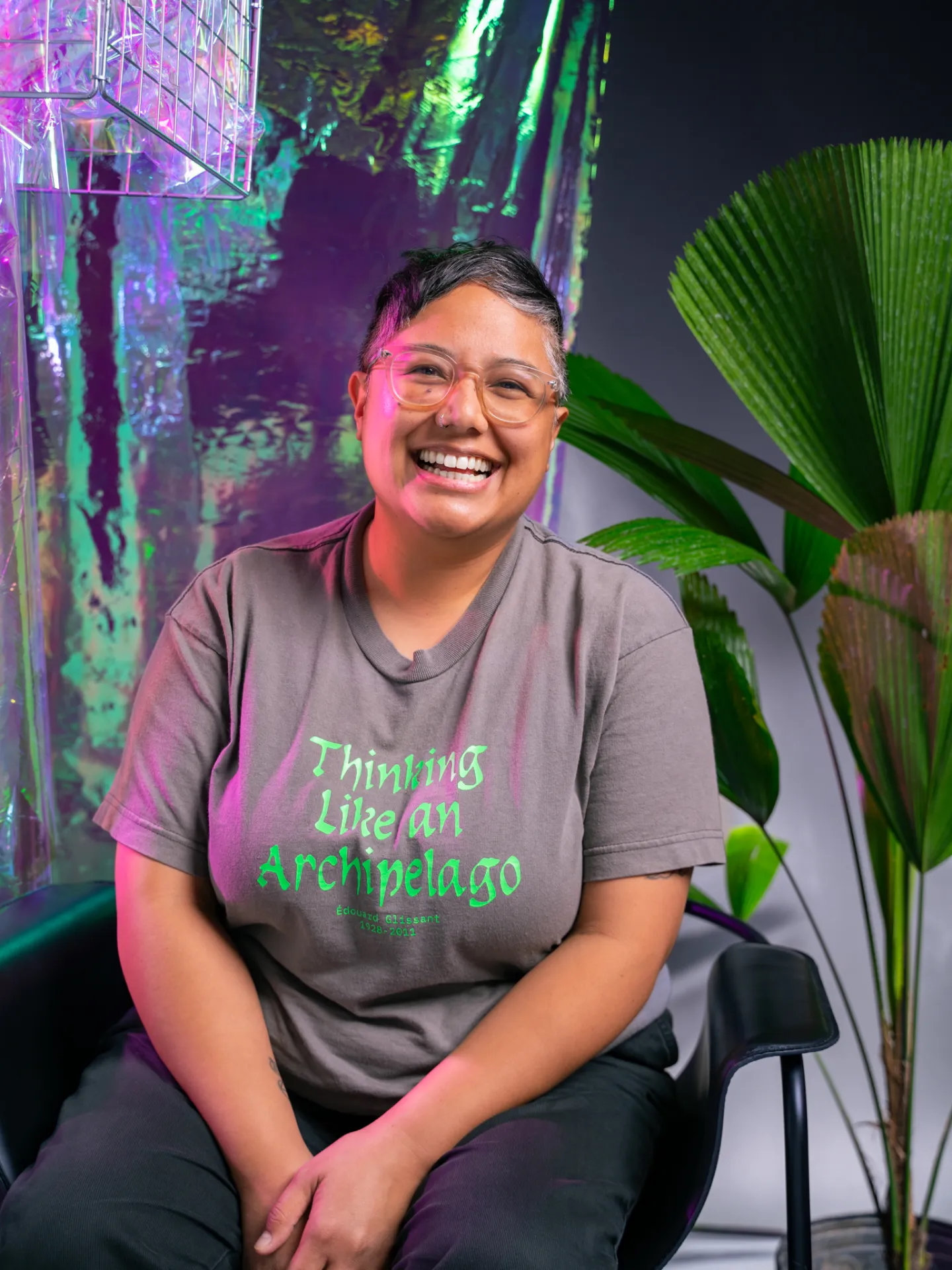
Dorothy R. Santos, Ph.D. (she/they) is a Filipino-American writer, artist and media scholar. She is an assistant professor of teaching focused on Art, Justice, and Digital Media in the Art Department and core faculty for the Creative Technologies program at UC Santa Cruz. She is a 2024–2026 Just Tech Fellow with the Social Science Research Council focused on emergency infrastructure, crisis and disaster response. Her creative and research interests include voice recognition, speech technologies, assistive tech, radio, sound production, feminist media histories and critical medical anthropology. Her work has been exhibited at Ars Electronica, Rewire Festival, Fort Mason Center for Arts & Culture, Yerba Buena Center for the Arts, Southern Exposure, the Natalie and James Thompson Gallery and the GLBT Historical Society. Her writing appears in art21, Art in America, Ars Technica, Hyperallergic, Rhizome, Slate and Vice Motherboard.
She earned her Ph.D. in Film and Digital Media with a designated emphasis in Computational Media from the University of California, Santa Cruz. She received her master’s degree in Visual and Critical Studies at the California College of the Arts and holds bachelor’s degrees in Philosophy and Psychology from the University of San Francisco.
Ladan Shams
Project Title: "Using AI-Mediated Socratic Dialogue to Teach Evidence-Based Disagreement Across the Curriculum"
Project Description
University students need more than exposure to differing ideas; they need practice reasoning through disagreement. This project develops and evaluates a scalable model for structured, evidence-based Socratic dialogue that can be embedded in ordinary disciplinary courses, including large lectures.
The project builds on Gadfly, an AI-mediated Socratic dialogue platform piloted in UCLA’s Sensation and Perception course. Students take positions on questions grounded in course content, explain their reasoning and respond to challenges, counterevidence and alternative interpretations drawn from assigned materials. The goal is not to steer students toward predetermined answers, but to help them practice intellectual skills that transfer across subjects: distinguishing assertions from reasons, engaging accurately with opposing arguments, identifying assumptions, acknowledging uncertainty and revising or qualifying claims when evidence warrants it.
During the fellowship, the project will refine the pedagogical model, study student reasoning and engagement and identify design principles that can transfer across disciplines. It will culminate in a scalable Socratic dialogue toolkit with adaptable templates, guidance, examples and assessment resources for UC instructors. The broader aim is to make rigorous, evidence-based disagreement a routine part of undergraduate learning and to help students experience changing one’s mind in response to evidence as a mark of intellectual engagement rather than defeat.
Biography
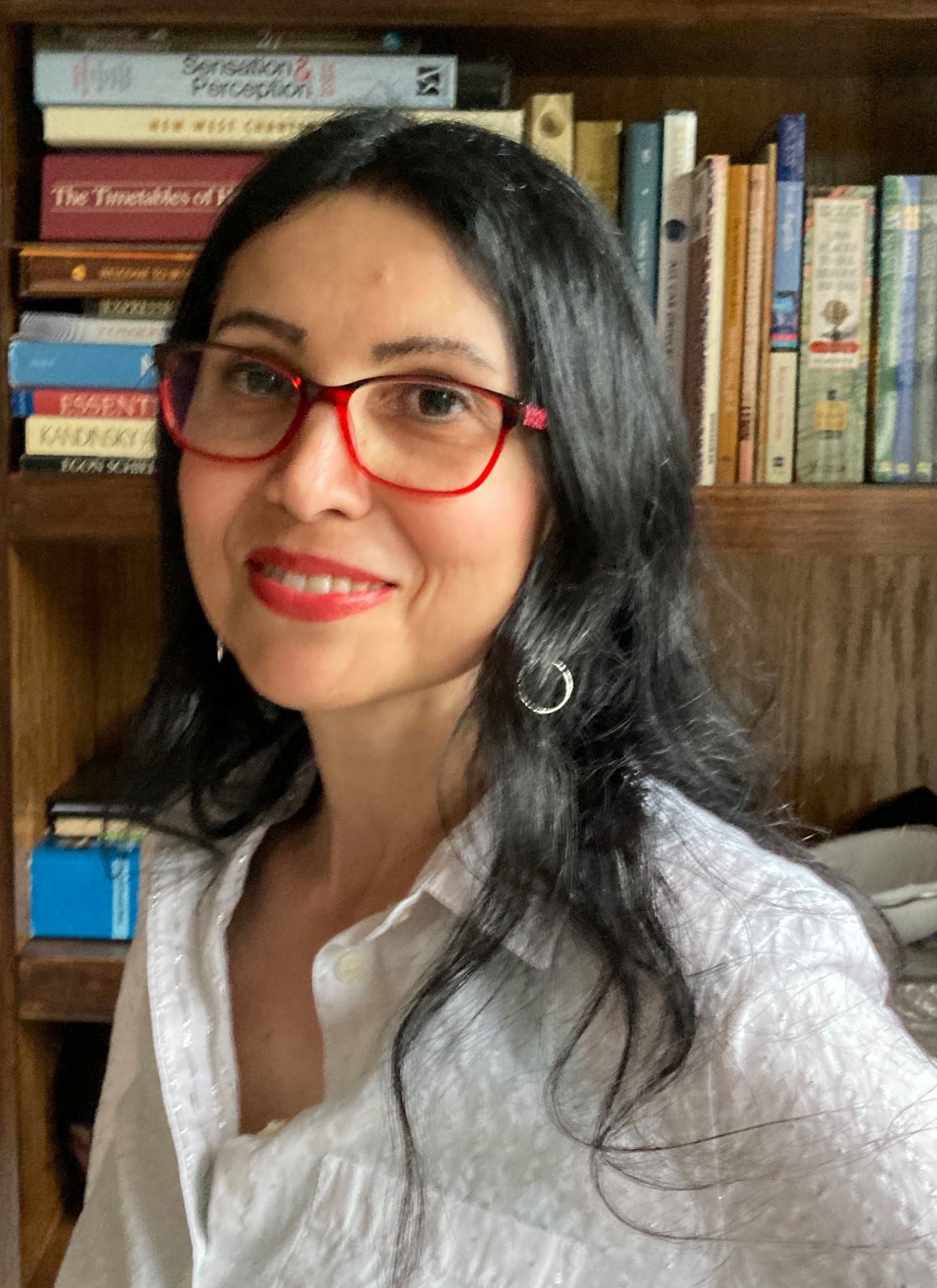
Ladan Shams is a professor of Psychology, Bioengineering and Neuroscience at UCLA and director of the Multisensory Perception Laboratory. Trained in computer science (Ph.D., USC) and cognitive neuroscience (postdoctoral training, Caltech), she studies how the brain combines information across the senses and how perception interacts with learning, memory and cognition. Her work uses behavioral experiments, computational modeling and physiological measures and has appeared in journals including Nature, Current Biology and Trends in Cognitive Sciences.
Alongside her research, Shams has a longstanding commitment to undergraduate teaching and mentorship, recognized with UCLA’s Undergraduate Research Faculty Mentor Award. In recent years, her teaching has increasingly focused on a challenge she sees as central to higher education: helping students become active reasoners rather than passive recipients of information. She develops classroom approaches that ask students to articulate positions, examine evidence, engage seriously with counterarguments and revise their views when warranted. Her current work explores how AI-mediated Socratic dialogue can make this kind of individualized practice feasible even in large undergraduate courses. More broadly, she is interested in how universities can cultivate critical thinking, intellectual humility and productive engagement with multiple perspectives as routine parts of disciplinary learning.
Ruth Shoge
Project Title: The Negotiated Exam Room: Dialogue as Clinical Skill
Project Description
Dr. Ruth Y. Shoge will use her fellowship to develop new coursework reframing patient communication as a core clinical competency — as teachable and assessable as any diagnostic technique, not an innate disposition.
Grounded in established patient-centered frameworks, including Kleinman's explanatory model and the ETHNIC mnemonic, the curriculum trains students to negotiate shared understanding with patients, particularly those navigating language differences, health literacy gaps or mistrust of health systems. It also extends federal CLAS cultural competency standards beyond compliance, building the interpersonal negotiation skills those standards assume but don't teach.
A distinctive third component trains students to translate vision science research into plain-language conversations with patients, helping them understand not only their own diagnosis, but why the research behind it matters and merits public investment. This piece deliberately bridges the school's optometry and vision science branches, giving clinical trainees a practical, patient-facing use for their colleagues' research.
The curriculum will be piloted through FOCUS (Foundations of Cultural Understanding in Sight), a new program launching soon for Berkeley optometry students pursuing public health training or residencies in community health centers. Deliverables include a patient communication toolkit, a community health center case vignette library, a research-to-dialogue guide and an assessment rubric, all designed to be adopted by clinical programs beyond Berkeley.
Dr. Shoge draws this work from her own career, spanning clinical experience, health equity work, restorative justice facilitation and her role as the school's inaugural CDO.
Biography
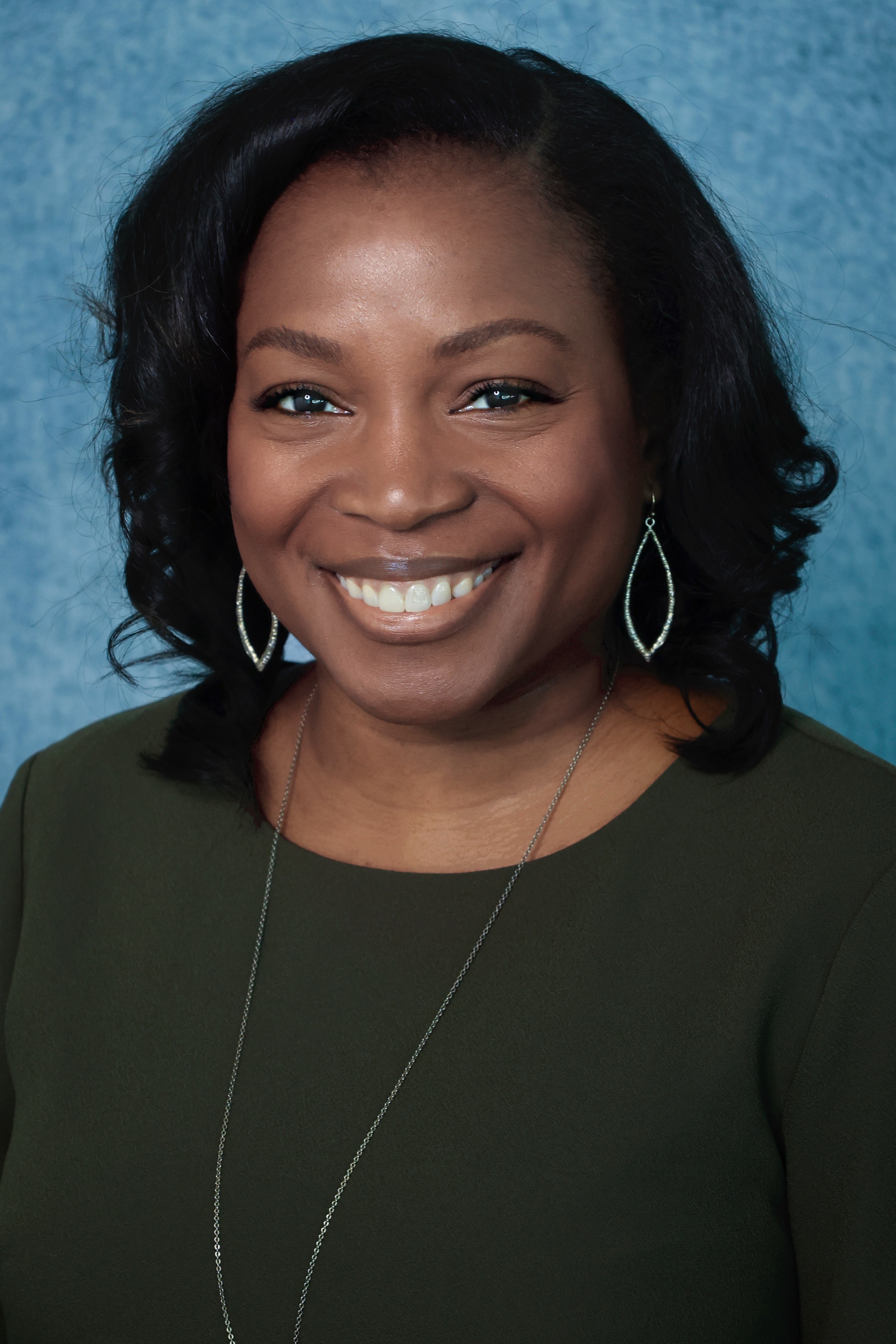
Dr. Ruth Shoge is currently an associate professor of Health Sciences and the chief diversity officer at UC Berkeley's Herbert Wertheim School of Optometry & Vision Science. She has been involved in several institution-specific and national initiatives to improve education, policies and practices within the eyecare profession; has served as investigator on several federally funded research studies; and has presented nationally and internationally on binocular vision, vision therapy, the management of concussion-related vision disorders, clinical cultural humility and bias-awareness training and DEIB leadership training.
She received her Doctor of Optometry degree from the Pennsylvania College of Optometry, where she also completed a residency in Pediatrics and Vision Therapy. She earned her Master of Public Health from Temple University, with a concentration in Social and Behavioral Science, developing a special interest in inequities in eyecare and improving health outcomes in historically marginalized communities.
Outside of her academic and clinical work, Dr. Shoge is a Vinyasa-trained yoga teacher and the founder of Rest with Ruth, a yoga practice rooted in restorative and Iyengar traditions, bringing the same values of rest, presence and care to her yoga community that she brings to her health equity.
Raffi Joe Wartanian
Project Title: From Counterargument to Conversation: A Toolkit for Teaching Dialogue Through Writing
Project Description
This project will develop, pilot and document a toolkit that helps instructors teach dialogue skills through the intellectual work of writing. Building on my experience in UCLA Writing Programs and my 2025–26 UCLA Dialogue Across Difference Faculty Fellowship, the project will translate practices such as active listening, following meaning, accurately representing another perspective, engaging counterarguments and reflecting on how dialogue can complicate and refine one's thinking into adaptable classroom activities.
The toolkit will include student exercises, instructor guides, sample prompts, implementation strategies and reflection and assessment tools. Each module will be designed to work within a single class session while also being adaptable to different courses, settings and formats.
I will pilot the materials in my own writing courses, share them with colleagues and refine them based on feedback. I will also explore connections with existing campus initiatives related to dialogue, misinformation and AI literacy.
The project's broader goal is to make dialogue instruction more accessible and transferable across the university. Rather than treating dialogue as something reserved for courses explicitly focused on disagreement or controversial topics, the project will demonstrate how skills such as listening, curiosity, representing complexity, engaging evidence and revising one's thinking can be integrated into courses across disciplines. The resulting resources will be designed for adaptation and eventual sharing with instructors systemwide.
Biography
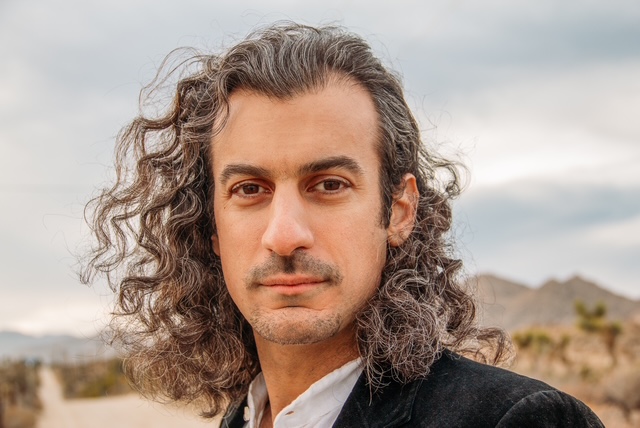
Since joining UCLA Writing Programs in 2021, Raffi has taught classes in rhetoric, composition and creative writing and has engaged across campus with the UCLA Library, Fowler Museum, Teaching and Learning Center and the School of Theater, Film, and Television. He was a cohort member in the 2025–26 Dialogue across Difference Faculty Fellows Program.
Raffi served as Inaugural Poet Laureate in the City of Glendale, California from 2023–2026. He was a 2025–26 Laureate Fellow with the Academy of American Poets and an in-view Grantee with the Gulbenkian Foundation to cultivate a Western Armenian poetry community at the intersection of language and folk music.
A recipient of grants and fellowships from The Fulbright Program, Eurasia Partnership Foundation, and Humanity in Action, his essays have appeared in The New York Times, Los Angeles Review of Books, University of Texas Press. He serves on the Advisory Board of the International Armenian Literary Alliance. As a musician, Raffi has released three albums of original compositions: Makam Delta, Pushkin Street and Critical Distance.
Raffi Joe Wartanian received a B.A. in History from Johns Hopkins University and a Masters of Fine Arts and Master of International Affairs from Columbia University, where he taught in the Undergraduate Writing Program.